
Today, the European Commission and the European Environment Agency (EEA) published the second Zero Pollution Monitoring and Outlook report, which provides an overview of the EU’s work to meet the 2030 zero pollution targets. The Commission also published today its fourth Clean Air Outlook report. The reports show that EU policies have contributed to reducing air pollution, pesticide use and plastic litter at sea. However, pollution levels are still too high, in particular from harmful noise, microplastic releases into the environment, nutrient pollution and waste generation.
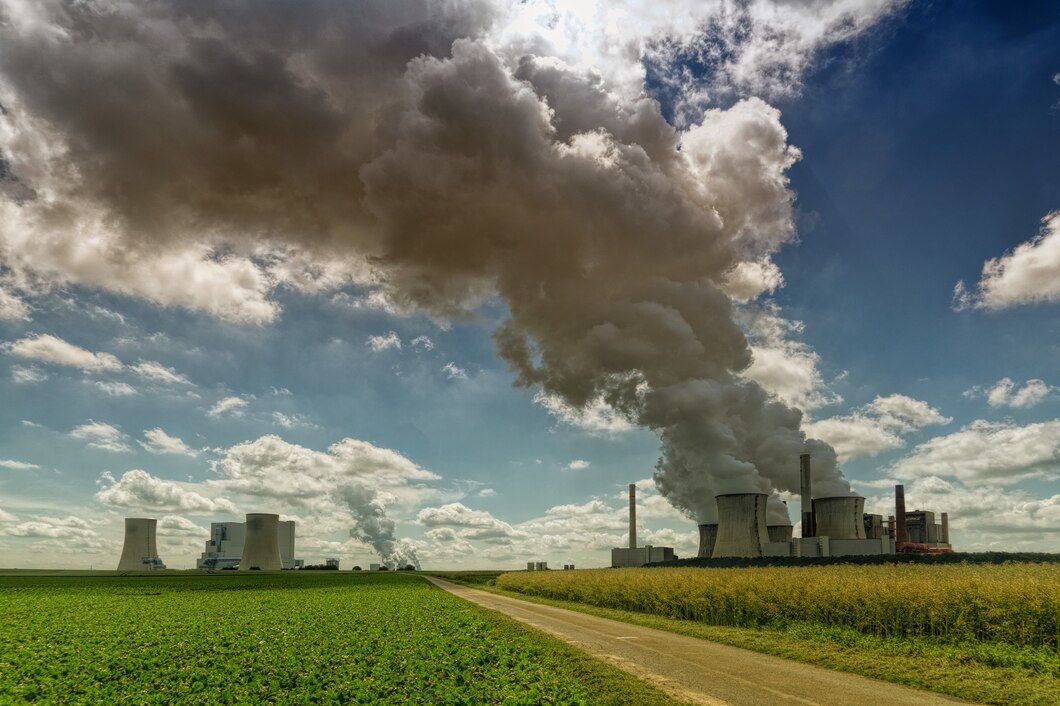
The reports show that EU policies have contributed to reducing air pollution, pesticide use and plastic litter at sea. However, pollution levels are still too high, in particular from harmful noise, microplastic releases into the environment, nutrient pollution and waste generation.
According to the reports, much stronger action is necessary in the EU to achieve its 2030 pollution reduction targets. Zero pollution principles must be integrated into all policies and efforts taken at all levels to ensure further progress. In this context, fostering the EU’s circular economy will help reduce resource consumption and therefore will alleviate pressures on ecosystems and human health. Finally, action on zero pollution, notably through the Zero Pollution Action Plan, will support the sustainable transition of the EU’s economy and make it more competitive.
Commissioner for Environment, Water Resilience and a Competitive Circular Economy, Jessika Roswall, said: “European citizens want clean air, water and soil and safe chemicals so that their health and their environment are protected. But also businesses and farmers need a clean environment to thrive. Today we take stock of our journey towards 2030 zero pollution targets. We are heading in the right direction but challenges remain. So we need to focus on better implementation on the ground in the Member States. Only timely and ambitious delivery of our policies will allow us to create a better living environment for all. I look forward to working with Member States and other stakeholders to make sure that we deliver the results we need.”
Reducing pollution is a critical part of our long-term sustainability ambitions, ultimately aiming to reduce pollution to the extent that it no longer presents a risk to human health and the environment. However, our zero-pollution review shows more action is urgently needed in key areas to reduce nutrient losses and impacts on the environment, reduce the health impacts of noise and reduce plastic pollution. Action to curb consumption and to reduce waste – which are the ultimate drivers of environmental pressures – and to promote a circular economy are crucial if we are to make progress towards our goals. The EU must shift to consumption patterns that deliver more value for citizens while reducing consumption in areas driving the greatest environmental harm: in other words, we must consume better, differently, and less.
Leena Ylä-Mononen
While progress towards the six ‘zero pollution’ targets remains mixed, pollution is decreasing from marine litter, pesticides and antimicrobials, according to the Zero Pollution Monitoring and Outlook report. Air quality has also improved across Europe, supported by regulatory developments and emissions reductions, resulting in a significant decrease in premature deaths. Still, the number of deaths caused by polluted air remains too high. In addition, ongoing pollution, particularly from ammonia and nitrogen oxides, continues to threaten EU ecosystems. This is echoed by the fourth Clean Air Outlook report, which highlights that, while air pollutant emissions in the EU continue to fall, air quality poses a serious risk for health and ecosystem quality in the EU. Both reports show that more action is needed to further reduce air pollution.
The Zero Pollution Monitoring and Outlook report also finds that the pollution levels from harmful noise, microplastics, nutrient and waste remain too high. On noise pollution, more efforts are required, particularly in urban areas, to decrease the number of people chronically disturbed by transport noise. On microplastics, further measures are needed to tackle this source of pollution. In addition, nutrient losses have remained largely unchanged, particularly due to the persistent challenges of agricultural runoff and fertiliser use. On waste, greater efforts are also needed, as waste production continues to increase in the EU.
The report clearly shows that more action is needed to achieve the EU’s zero-pollution ambition. Full implementation and enforcement of the EU environmental legislation is therefore crucial to achieve the 2030 zero-pollution targets, as set out in the Zero Pollution Action Plan. On the legislative front, the EU has already taken steps with the revisions of the Industrial Emissions Directive, the Ambient Air Quality Directive, the Urban Wastewater Treatment Directive, the Waste Framework Directive, the Water Framework Directive and the Mercury Regulation. The new Nature Restoration Regulation will also contribute to further reduce pollution pressures on ecosystems, and increase overall ecosystem resilience. To tackle the microplastics’ pollution, the Commission presented in 2023 a proposal for a Regulation on preventing plastic pellet losses to the environment. Once adopted, it will help reach this pollution target in the Zero Pollution Action Plan.
Zero Pollution Dashboard
Both reports are accompanied by the first Zero Pollution Dashboard, which shows the progress made by EU regions and all capital cities in achieving cleaner air, water and soil.
The dashboard compares regions with each other and with the EU average. The comparison is based on several environmental pollution indicators that address health, ecosystem protection and biodiversity, as well as production and consumption.
The dashboard highlights 15 regions across Austria, Finland, France, Germany and Sweden, which currently boast the lowest pollution levels.
Background
Today’s Zero Pollution Monitoring and Outlook report has been put together with the European Environment Agency (EEA) and the European Commission’s Joint Research Centre. The monitoring and outlook assessment serves as regular bi-annual check-up on the progress of Member States in achieving the EU’s zero-pollution targets. It will also inform future policies designed to support the zero-pollution ambition — to reduce pollution to the extent that it no longer presents a risk to human health and the environment by 2050. The report was presented this morning at the Zero Pollution Stakeholder Platform meeting in Brussels.
As part of this package, the EEA has also developed a monitoring assessment dashboard —EEA Zero Pollution Monitoring Dashboard— to provide an overview of key pollution trends and progress toward zero-pollution targets.
To achieve a clean and healthy planet, the Zero Pollution Action Plan was initiated in 2021 with key targets to accelerate pollution reduction. Under the Zero Pollution Action Plan, the Commission launched nine flagships and 33 dedicated actions to prevent and reduce pollution, including notably the Zero pollution package for cleaner air and water.
Pollution is a significant contributor to a range of health problems, and of premature deaths. There are also clear inequalities in both exposure to, and impacts of, pollution. Citizens in lower socioeconomic groups tend to be more exposed to pollution and vulnerable groups such as children and the elderly are also disproportionately impacted. These pollution-associated deaths and illnesses are all largely preventable through reducing pollution levels in the environment and should be considered as part of future preventive health measures in Europe. Pollution is also one of the five main threats to biodiversity.
More information European Environment Agency.
Publicaciones relacionadas:
 EU launches roadmap with partners at COP29 to reach the goal of reducing methane emissions by at least 30% by 2030
 EU continues to be a global leader on sustainable finance
 EU secures agreement on carbon market rules and new climate finance goal
 Zero Pollution: New EU rules enter into force for cleaner air by 2030
 Indicating the way forward for sustainable European aviation
Leave a Reply