• Skip to primary navigation
  • Skip to main content
  • Skip to primary sidebar
  • Skip to footer
  • Bluesky
  • Facebook
  • Instagram
  • Twitter
  • YouTube
CDE Almería – Centro de Documentación Europea – Universidad de Almería

CDE Almería - Centro de Documentación Europea - Universidad de Almería

Centro de Documentación Europea de la Universidad de Almería

  • HOME
  • WHAT´S ON
    • EU NEWS
    • Activities
    • EU Calls and Awards
    • Radio Program «Europe with You»
  • DOCUMENTATION
    • EU Media Collection
      • Web Space
      • MEDIATHEQUE REPOSITORY
  • Europe on the net
    • Institutions
    • EU Representation in Spain
    • European information network of Andalusia
  • ABOUT US
    • Presentation
    • Services
    • People
    • Contact
  • Spanish
  • English

EU adopts digital visa for people planning to visit the Schengen area

Inicio » Noticias UE » Defensa y Seguridad » Política de Defensa y Seg. Internac. » EU adopts digital visa for people planning to visit the Schengen area

15 de November de 2023

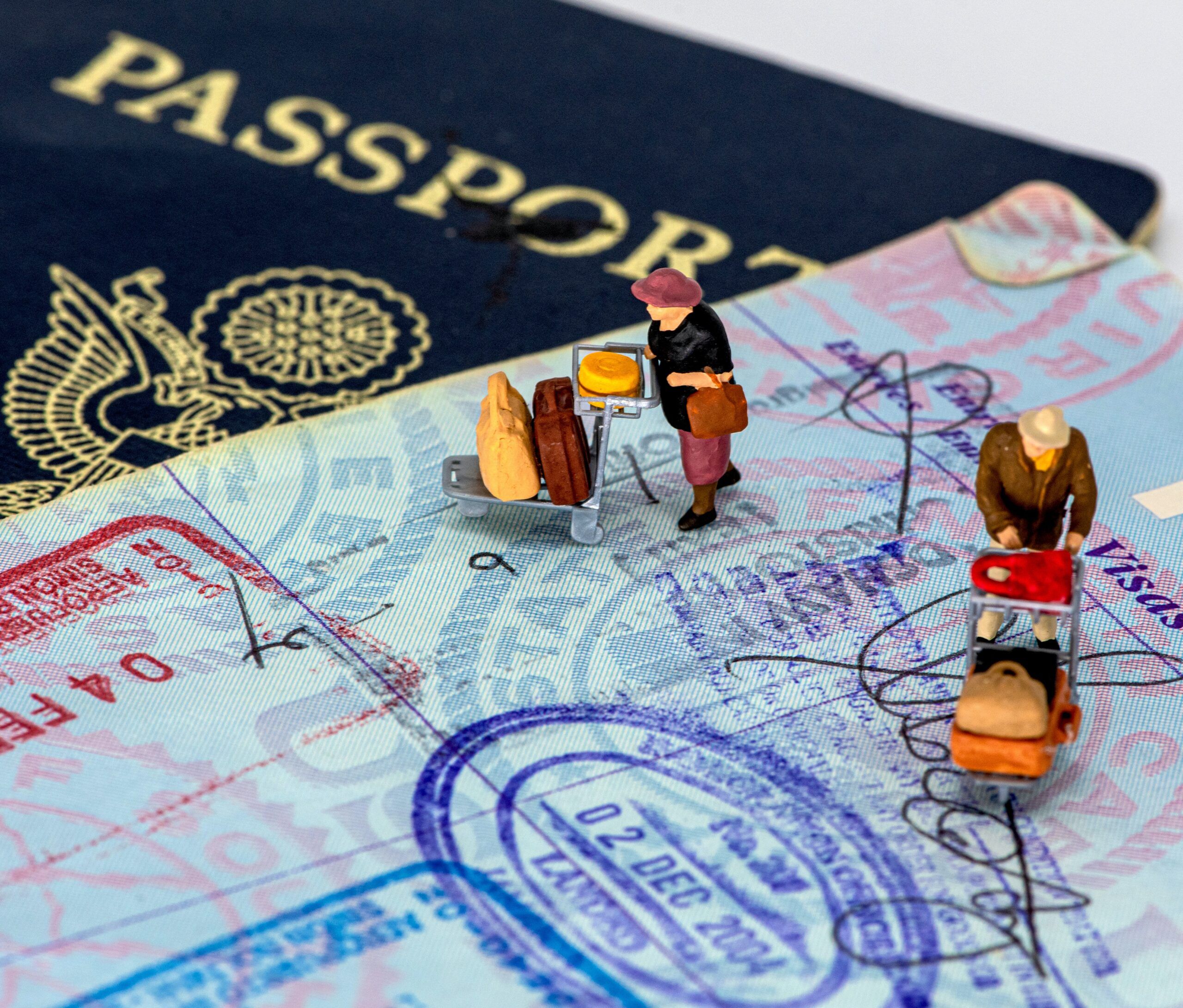
The Council adopted new rules on last 13th November, which will allow people who plan to travel to the Schengen area to apply online for a visa. The Schengen area is a zone of 27 European countries which have abolished many types of internal border controls.
The possibility of applying for a Schengen visa online will be a great improvement for citizens and for the processing of the application. It will simplify the application process for travelers and, at the same time, will ease the burden on national administrations, which will be able to respond more quickly and effectively. – Fernando Grande-Marlaska Gómez, acting Spanish minister for the interior

The two regulations adopted:

  • will create an EU visa application platform. With a few exceptions, applications for Schengen visas will be made through that platform. On the platform, visa applicants will be able to enter all the relevant data, upload electronic copies of their travel documents and supporting documents, and pay their visa fees
  • render in-person appearance at the consulate redundant. In principle, in-person appearance will only be necessary for first-time applicants, people whose biometric data are no longer valid and people with a new travel document
  • replace the current visa sticker with a cryptographically signed barcode

Next steps

Following signature, the two regulations will be published in the Official Journal of the European Union and will enter into force on the twentieth day after publication.

The date of application of the new rules will be decided when technical work on the visa platform and the digital visa has been concluded.

SOURCE: PRESS RELEASE – EUROPEAN COUNCIL

Publicaciones relacionadas:

visado abierto por hoja aleatoriaCharles Michel: Europe’s values, freedom and democracy will prevail Default ThumbnailDemocratic Republic of the Congo: Statement by the High Representative on behalf of the EU on the publication of the recent UN Group of Experts report EU reviews measures restricting aid to Syria to speed up delivery of humanitarian aid Default ThumbnailEU renews individual sanctions against Russia EU maritime security: from strategy to action


Defence & Security,  EU News,  International Safety and Defence Politics digital visa,  EU,  European Council,  online visa,  Schangen area

“This is a space for debate. All comments, for or against publication, that are respectful and do not contain expressions that are discriminatory, defamatory or contrary to current legislation will be published”.

Reader Interactions

Leave a Reply Cancel reply

Your email address will not be published. Required fields are marked *

This site uses Akismet to reduce spam. Learn how your comment data is processed.

Primary Sidebar

Footer

  • CDE Almería
  • Biblioteca Nicolás Salmerón – Universidad de Almería
  • Planta: 1ª, Despacho: 1.05.0B.
  • Ctra. Sacramento s/n. Almería (Spain)
  • Teléfono: (+34) 950 015266

HOME
NEWS
DOCUMENTATION
EUROPE ON THE NET
ABOUT US

  • LEGAL NOTICE
  • PRIVACY POLICY
  • COOKIE POLICY
  • ACCESSIBILITY
  • SITEMAP

Copyright © 2026 CDE Almería · Creative Commons LicenseThis work is licensed under a Creative Commons Attribution-NonCommercial 4.0 International License.

<p>El Centro de Documentación Europea de la Universidad de Almería utiliza cookies propias y de terceros para facilitar al usuario la navegación en su página Web y el acceso a los distintos contenidos alojados en la misma. Asimismo, se utilizan cookies analíticas de terceros para medir la interacción de los usuarios con el sitio Web. Pinche el siguiente enlace si desea información sobre el uso de cookies y como deshabilitarlas. </p>

Politica de privacidad

El Centro de Documentación Europea de la Universidad de Almería utiliza cookies propias y de terceros para facilitar al usuario la navegación en su página Web y el acceso a los distintos contenidos alojados en la misma. Asimismo, se utilizan cookies analíticas de terceros para medir la interacción de los usuarios con el sitio Web. Pinche el siguiente enlace si desea información sobre el uso de cookies y como deshabilitarlas. <a href="/politica-de-cookies" rel="noopener" target="_blank">Más información</a>

Cookies estrictamente necesarias

Las cookies estrictamente necesarias tiene que activarse siempre para que podamos guardar tus preferencias de ajustes de cookies.

Básicamente la web no funcionara bien si no las activas.

Estas cookies son:

  • Comprobación de inicio de sesión.
  • Cookies de seguridad.
  • Aceptación/rechazo previo de cookies.
Cookies de terceros

Esta web utiliza Google Analytics, Google Tag Manager y Yandex Metrika para recopilar información anónima tal como el número de visitantes del sitio, o las páginas más populares.

Dejar estas cookies activas nos permite mejorar nuestra web.

Política de cookies

Pinche el siguiente enlace si desea información sobre el uso de cookies y como deshabilitarlas. Más información