• Skip to primary navigation
  • Skip to main content
  • Skip to primary sidebar
  • Skip to footer
  • Bluesky
  • Facebook
  • Instagram
  • Twitter
  • YouTube
CDE Almería – Centro de Documentación Europea – Universidad de Almería

CDE Almería - Centro de Documentación Europea - Universidad de Almería

Centro de Documentación Europea de la Universidad de Almería

  • HOME
  • WHAT´S ON
    • EU NEWS
    • Activities
    • EU Calls and Awards
    • Radio Program «Europe with You»
  • DOCUMENTATION
    • EU Media Collection
      • Web Space
      • MEDIATHEQUE REPOSITORY
  • Europe on the net
    • Institutions
    • EU Representation in Spain
    • European information network of Andalusia
  • ABOUT US
    • Presentation
    • Services
    • People
    • Contact
  • Spanish
  • English

Ensuring euro money transfers arrive within ten seconds

Inicio » Noticias UE » Mercado » International Trade » Ensuring euro money transfers arrive within ten seconds

9 de February de 2024

The new regulation aims to make sure that retail clients and businesses, especially SMEs, will not have to wait for their money, as well as to enhance the safety of transfers. Banks and other payment service providers (PSPs) will have to ensure credit transfers are affordable and immediately processed. The text, already agreed with EU member states, updates the current Single Euro Payments Area (SEPA) rules.
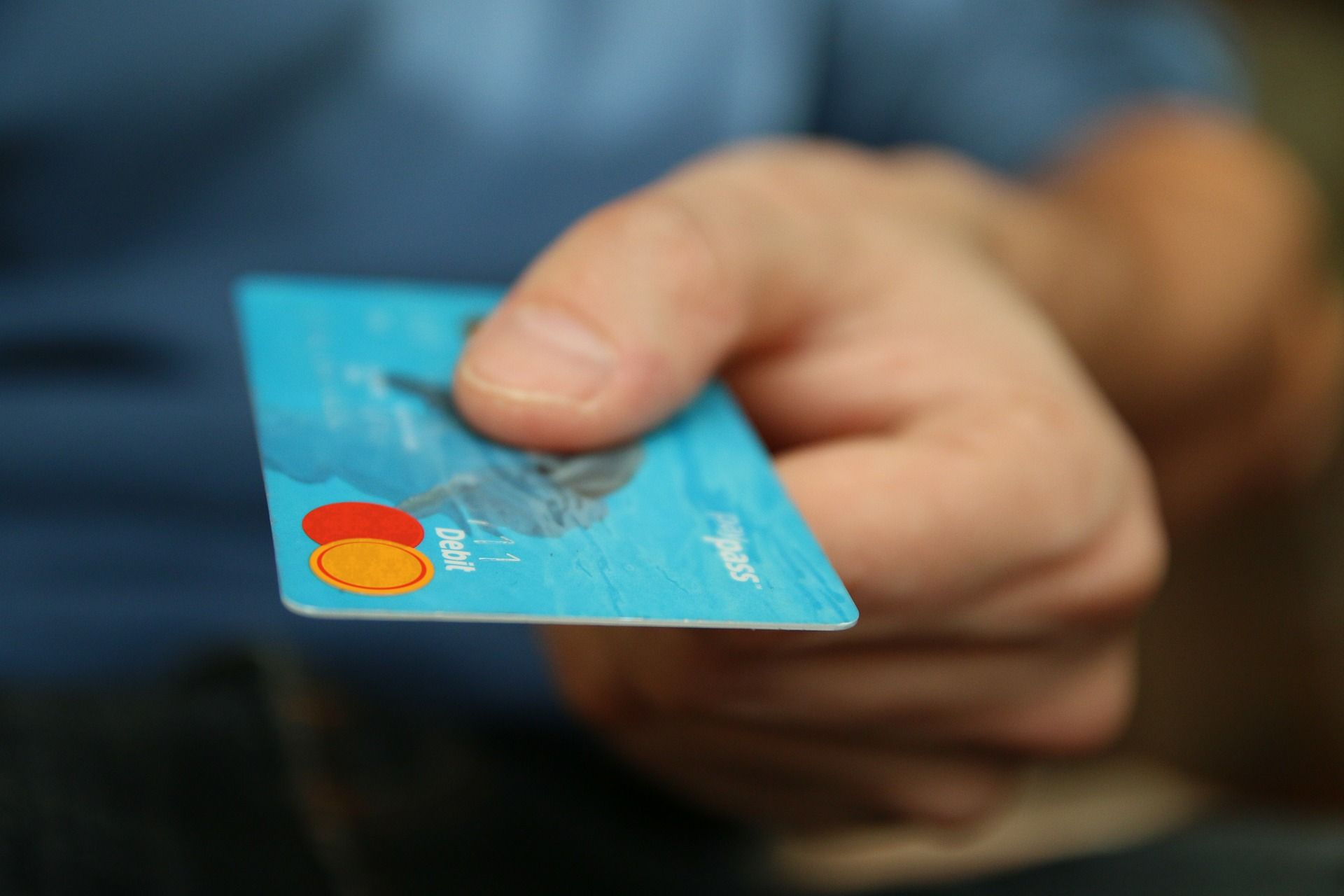
Instant credit transfer

An instant credit transfer is supposed to be executed regardless of the day or hour and the money must arrive into the recipient’s account within ten seconds. The payer should be also informed within ten seconds of whether or not the funds transferred have been made available to the intended recipient.

Member states whose currency is not the euro will also have to apply the rules, where the accounts already offer regular transactions in euro, after a longer transition period. There will be a special derogation from making the payment within ten seconds for such accounts outside business hours, given possible concerns about access to liquidity in euro.

Customer safety, penalties and sanctions

To guarantee safety, PSPs should have in place robust and up-to-date fraud detection and prevention measures, to avoid credit transfers going into the wrong account due to fraud or error. To this end, PSPs operating in the EU should immediately, and without any additional charges or fees, provide a service to verify the identity of the recipient.

Eurobarometer survey highlights how Europeans interact with the financial services world

As an additional safeguard against fraud, PSPs should allow their clients to set a maximum amount for instant credit transfers in euro, which could be easily modified prior to the next transfer.

If a PSP does not fulfil its fraud prevention duties and this results in financial damage, a client may demand to be compensated by the service provider, according to the new rules.

PSPs offering instant credit transfers should also verify whether any of their clients are subject to sanctions or other restrictive measures related to money laundering and terrorist financing.

Charges stay the same

Charges applied by a PSP in respect to instant credit transfer transactions in euro cannot be higher than the charges applied to “non- instant” credit transfer transactions in euro.

More information: European Parliament

Publicaciones relacionadas:

According to the European Court of Auditors, Europe is in danger of losing the battery race banderas ueThe Single Market, the key instrument for meeting current challenges, turns 30 years old Bandera Unión Europea ondeandoCommission adopts rules for implementing the Foreign Subsidies Regulation industriaEU’s Trade Defence in 2022 report E-commerce: Council adopts new rules for exchange of VAT payment data



Economy and Finance,  EU News,  International Trade,  Market European Union,  instant payment,  money transfers,  Parlamento,  Parliament,  Unión Europea

“This is a space for debate. All comments, for or against publication, that are respectful and do not contain expressions that are discriminatory, defamatory or contrary to current legislation will be published”.

Reader Interactions

Leave a Reply Cancel reply

Your email address will not be published. Required fields are marked *

This site uses Akismet to reduce spam. Learn how your comment data is processed.

Primary Sidebar

Footer

  • CDE Almería
  • Biblioteca Nicolás Salmerón – Universidad de Almería
  • Planta: 1ª, Despacho: 1.05.0B.
  • Ctra. Sacramento s/n. Almería (Spain)
  • Teléfono: (+34) 950 015266

HOME
NEWS
DOCUMENTATION
EUROPE ON THE NET
ABOUT US

  • LEGAL NOTICE
  • PRIVACY POLICY
  • COOKIE POLICY
  • ACCESSIBILITY
  • SITEMAP

Copyright © 2026 CDE Almería · Creative Commons LicenseThis work is licensed under a Creative Commons Attribution-NonCommercial 4.0 International License.

<p>El Centro de Documentación Europea de la Universidad de Almería utiliza cookies propias y de terceros para facilitar al usuario la navegación en su página Web y el acceso a los distintos contenidos alojados en la misma. Asimismo, se utilizan cookies analíticas de terceros para medir la interacción de los usuarios con el sitio Web. Pinche el siguiente enlace si desea información sobre el uso de cookies y como deshabilitarlas. </p>

Politica de privacidad

El Centro de Documentación Europea de la Universidad de Almería utiliza cookies propias y de terceros para facilitar al usuario la navegación en su página Web y el acceso a los distintos contenidos alojados en la misma. Asimismo, se utilizan cookies analíticas de terceros para medir la interacción de los usuarios con el sitio Web. Pinche el siguiente enlace si desea información sobre el uso de cookies y como deshabilitarlas. <a href="/politica-de-cookies" rel="noopener" target="_blank">Más información</a>

Cookies estrictamente necesarias

Las cookies estrictamente necesarias tiene que activarse siempre para que podamos guardar tus preferencias de ajustes de cookies.

Básicamente la web no funcionara bien si no las activas.

Estas cookies son:

  • Comprobación de inicio de sesión.
  • Cookies de seguridad.
  • Aceptación/rechazo previo de cookies.
Cookies de terceros

Esta web utiliza Google Analytics, Google Tag Manager y Yandex Metrika para recopilar información anónima tal como el número de visitantes del sitio, o las páginas más populares.

Dejar estas cookies activas nos permite mejorar nuestra web.

Política de cookies

Pinche el siguiente enlace si desea información sobre el uso de cookies y como deshabilitarlas. Más información