
On Tuesday, MEPs adopted plans, already agreed upon with Council, to help reduce energy consumption and greenhouse-gas emissions from the buildings sector.
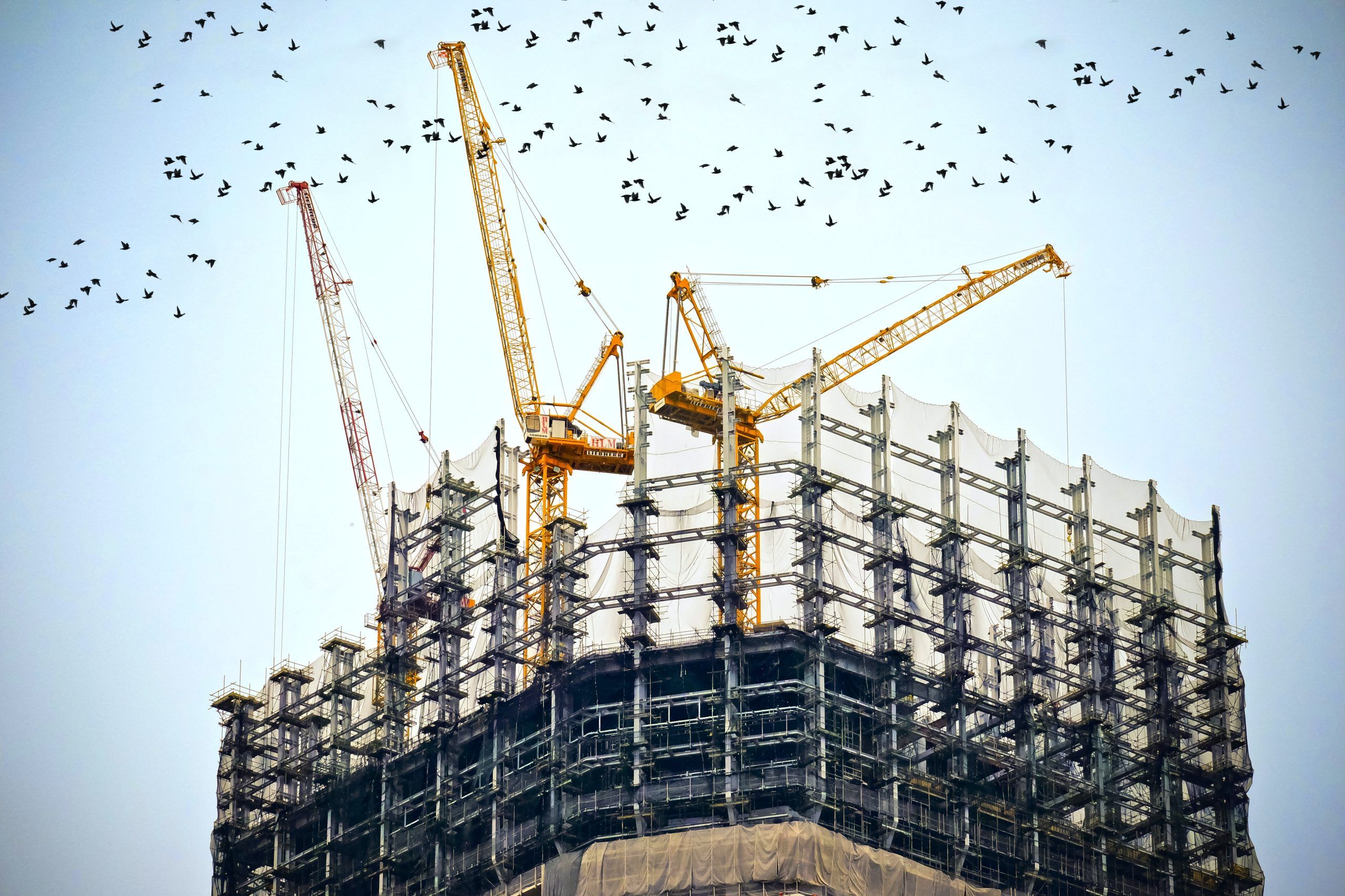
The proposed revision of the Energy Performance of Buildings Directive aims to progressively reduce greenhouse gas (GHG) emissions and energy consumption in the EU building sector, and make it climate neutral by 2050. It also aims to have more worst-performing buildings renovated and improve information-sharing on energy performance.
Emissions-reduction targets
All new buildings should be zero-emission as of 2030; new buildings occupied or owned by public authorities should be zero-emission as of 2028. When calculating the emissions, member states will take into account the life-cycle global warming potential of a building, including the production and disposal of the construction products used to build it.
For residential buildings, member states will have to put in place measures to ensure a reduction in the average primary energy used of at least 16% by 2030 and at least 20 to 22% by 2035.
New rules to boost energy efficiency in buildings across the EU |
According to the new directive, member states will have to renovate the 16% worst-performing non-residential buildings by 2030 and, by 2033, the worst-performing 26% through minimum energy performance requirements.
If technically and economically suitable, member states would have to deploy solar installations progressively in public and non-residential buildings, depending on their size, and in all new residential buildings by 2030.
Phasing out fossil fuel boilers
Member states have to outline how they will adopt measures to decarbonise heating systems, with a view to phasing out fossil fuels in heating and cooling by 2040. Subsidising stand-alone fossil fuel boilers will be prohibited as of 2025. Financial incentives will still be possible for hybrid heating systems that use a considerable share of renewable energy, such as those combining a boiler with a solar thermal installation or a heat pump.
Exemptions
Agricultural buildings and heritage buildings can be excluded from the new rules, while EU countries may decide to also exclude buildings protected for their special architectural or historical merit, temporary buildings, and churches and places of worship.
Next steps
The directive was adopted with 370 votes to 199, with 46 abstentions. It will now have to be formally endorsed by the Council of Ministers, too, in order to become law.
Background
According to the European Commission, buildings in the EU are responsible for 40% of our energy consumption and 36% of greenhouse gas emissions. On 15 December 2021, the European Commission adopted a legislative proposal to revise the Energy Performance of Buildings Directive, as part of the so-called ‘Fit for 55’ package. A new European Climate Law (July 2021) enshrined both the 2030 and the 2050 targets into binding European law.
More information: European Parliament
Publicaciones relacionadas:
 EU agrees stronger rules to boost energy efficiency
 European Parliament approves 5 key new laws to reach the 2030 climate target
 The EU wants to introduce minimum standards to make nearly all products on its market sustainable
 European Parliament approves law on sustainable marine fuels
 European Parliament back plans to boost use of renewable energy
Leave a Reply