
The EU-funded URBAN GreenUP project ended in mid-2023, but it has left a lasting legacy with a broad range of materials and resources that are influencing urban greening and re-naturing efforts across Europe and beyond.
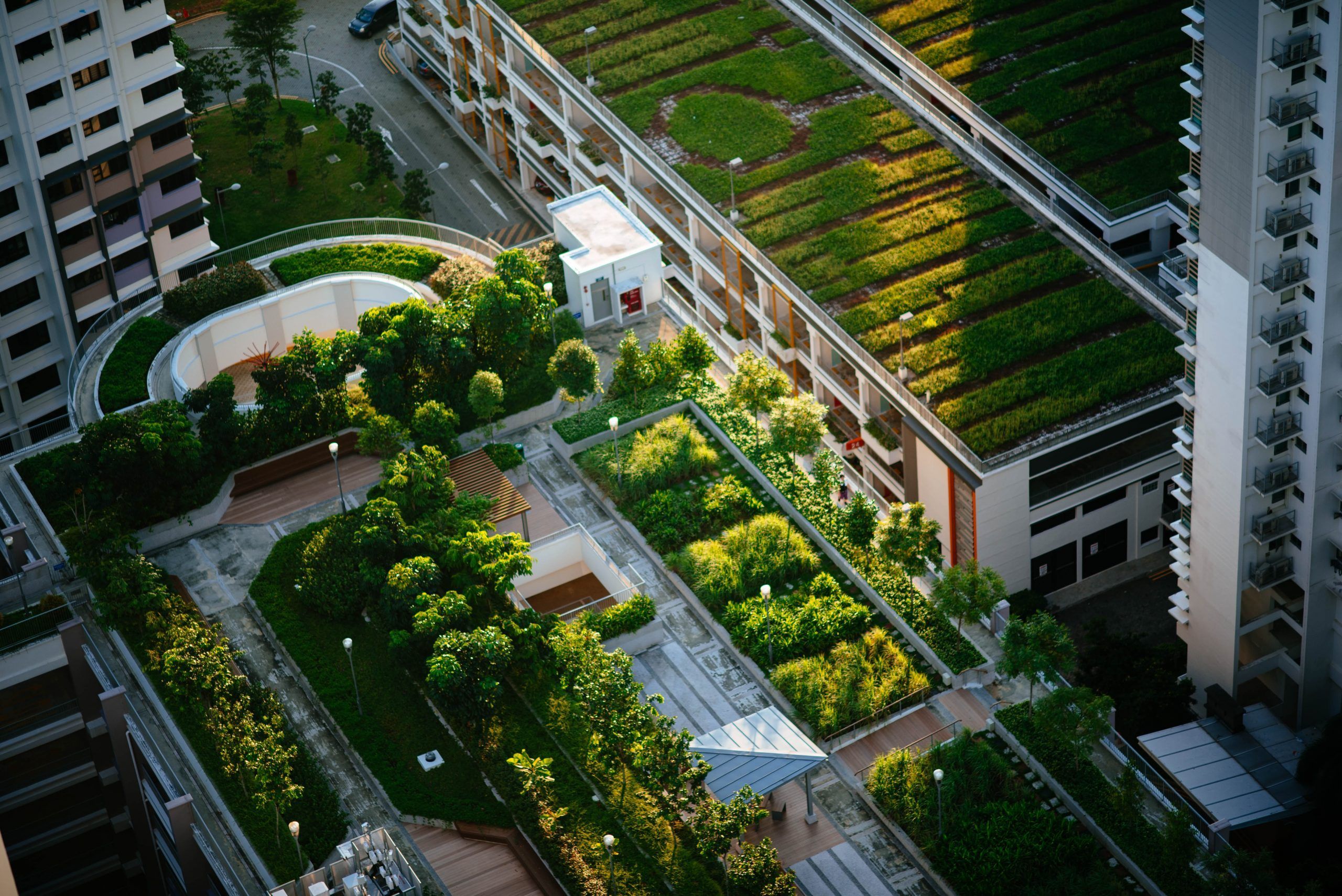
Nature-based solutions (NBSs) are growing more and more popular as an effective and sustainable way to deal with environmental problems. However, they face several challenges during implementation. The URBAN GreenUP project developed, validated and demonstrated the effectiveness of a methodology to increase the sustainability and resilience of cities through innovative NBSs.
From info packs to webinars, several key outputs developed by URBAN GreenUP have had a significant impact on end users, including city planners, environmental organisations, green infrastructure companies and policymakers.
One of the most notable cases is the mini-handbook, a comprehensive guide that provides practical insights and strategies for implementing NBSs in urban environments. It summarises URBAN GreenUP results, focusing on success stories, best practices and lessons learnt. In addition, it presents the project’s effect on climate change challenges and how it addressed governance, economic, social, health and environmental aspects in cities.
“This handbook has been widely adopted and consulted by municipalities and urban developers as a go-to resource for integrating green infrastructures into city planning,” comments Raúl Sánchez of project coordinator Technology Centre CARTIF in Spain.
Transformación urbana ecológica en pleno apogeo
An example of the mini-handbook’s impact is seen in its uptake by the Spanish city of Valladolid, one of the project’s front-runner cities. Valladolid continues to use the handbook to guide the implementation of new green corridors and green walls, expanding on the initial work done during URBAN GreenUP. This has not only improved the city’s green spaces but also provided a model for other cities looking to replicate similar initiatives. Additionally, the handbook has been used in workshops and training sessions in other European cities, helping to educate and empower urban planners on the benefits and practicalities of NBSs.
Nearly EUR 14 million in EU funding played a crucial role in the success of URBAN GreenUP (New Strategy for Re-Naturing Cities through Nature-Based Solutions). It was able to work on a large scale involving several cities across Europe, including Liverpool in the United Kingdom and Izmir in Turkey as front-runner cities, with additional follower cities learning from their experiences (Medellín in Colombia, Ludwigsburg in Germany and Mantova in Italy).
A wide variety of innovative NBSs, such as green roofs, urban forests and sustainable urban drainage systems, were developed and deployed. They have significantly improved urban resilience to climate change and enhanced the biodiversity in these areas.
The funding has ultimately helped to influence EU policy, contributing to the European Green Deal’s objectives and encouraging further investment in urban greening initiatives
«El planteamiento colaborativo fomentó asociaciones sólidas entre ciudades, instituciones de investigación y empresas privadas, lo cual garantizó la sostenibilidad a largo plazo y la reproducción de los resultados de URBAN GreenUP», concluye Sánchez.
Source: CORDIS
Publicaciones relacionadas:
 New R&T project to improve resilience of cold weather operations
 Complex network of European and global developments impacts sustainability
 Longer-lasting electronics benefit environment, climate and circular economy
 A biodegradable food packaging solution that also promises to increase food shelf life
Greater circularity in the buildings sector can lead to major cuts in greenhouse gas emissions
A biodegradable food packaging solution that also promises to increase food shelf life
Greater circularity in the buildings sector can lead to major cuts in greenhouse gas emissions
Leave a Reply