
The ocean is changing at an alarming rate, with direct consequences for marine life, coastlines and communities around the world. This is the main conclusion of the tenth report on the state of the ocean, published by the Copernicus Marine Environment Monitoring Service, the EU’s Earth observation programme. The report goes back to 1960 and shows that, due to rising temperatures, the average sea level has risen by approximately 4.2 mm per year since 2012.
Key findings from this year’s report include:
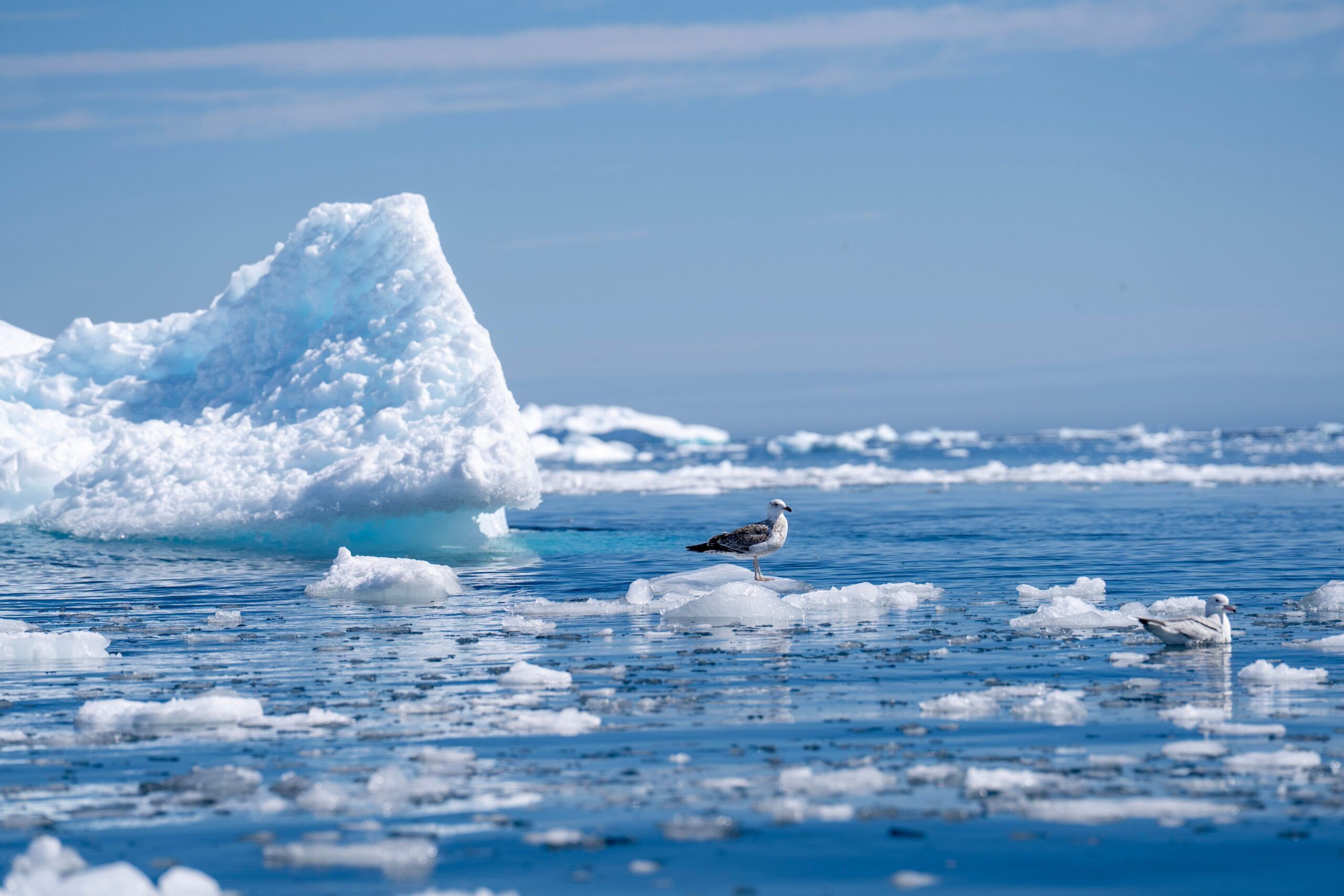
- Devastating changes for the Arctic: The Arctic, a region of growing strategic importance for climate security, economic resilience and geopolitical stability, is experiencing some of the most drastic changes. The report highlights that sea ice extent decreased by approximately 490,000 km² per decade between 1979 and 2025. This is equivalent to an area almost as large as Spain. This loss leads to stronger winds and higher waves, which has left around 60 per cent of the Arctic’s coastal infrastructure vulnerable to erosion and rising sea levels.
- Europe’s regional seas are experiencing extreme temperatures: the Mediterranean and the Black Sea suffered unprecedented marine heatwaves, with temperatures exceeding 4.6 degrees above normal in 2024.
- Coastal communities have become more vulnerable: in the case of small island developing states, 65 per cent of their combined exclusive economic zones have faced an acceleration in sea-level rise since 1999 due to ocean warming.
Through its Copernicus programme and its State of the Oceans Report, the EU provides reliable data to monitor the health of the oceans and support measures to protect biodiversity, reduce pollution and strengthen resilience to climate change.
The annual Copernicus report provides vital data on how changes in the ocean affect ecosystems, food security, economies, coastal communities and global climate regulation.
More information: European Commission
Publicaciones relacionadas:
 The EU and Canada secure nearly 220 million euros in pledges for Global Ocean Observation
 From the Arctic to the tropics, Commission report sounds alarm bells over ocean health
 Commission aims to ensure the implementation of EU Deforestation Regulation
High Seas Treaty enters into force: A milestone for ocean conservation
Commission aims to ensure the implementation of EU Deforestation Regulation
High Seas Treaty enters into force: A milestone for ocean conservation
 Commission launches public consultation on the European Ocean Act
Leave a Reply