• Skip to primary navigation
  • Skip to main content
  • Skip to primary sidebar
  • Skip to footer
  • Bluesky
  • Facebook
  • Instagram
  • Twitter
  • YouTube
CDE Almería – Centro de Documentación Europea – Universidad de Almería

CDE Almería - Centro de Documentación Europea - Universidad de Almería

Centro de Documentación Europea de la Universidad de Almería

  • HOME
  • WHAT´S ON
    • EU NEWS
    • Activities
    • EU Calls and Awards
    • Radio Program «Europe with You»
  • DOCUMENTATION
    • EU Media Collection
      • Web Space
      • MEDIATHEQUE REPOSITORY
  • Europe on the net
    • Institutions
    • EU Representation in Spain
    • European information network of Andalusia
  • ABOUT US
    • Presentation
    • Services
    • People
    • Contact
  • Spanish
  • English

Council agrees negotiating mandate for a regulation on facilitating cross-border solutions

Inicio » Noticias UE » Asuntos Sociales » Migration and Demography » Council agrees negotiating mandate for a regulation on facilitating cross-border solutions

25 de October de 2024

Member states’ EU ambassadors today reached agreement on the Council’s negotiating mandate for a new regulation on facilitating cross-border solutions.
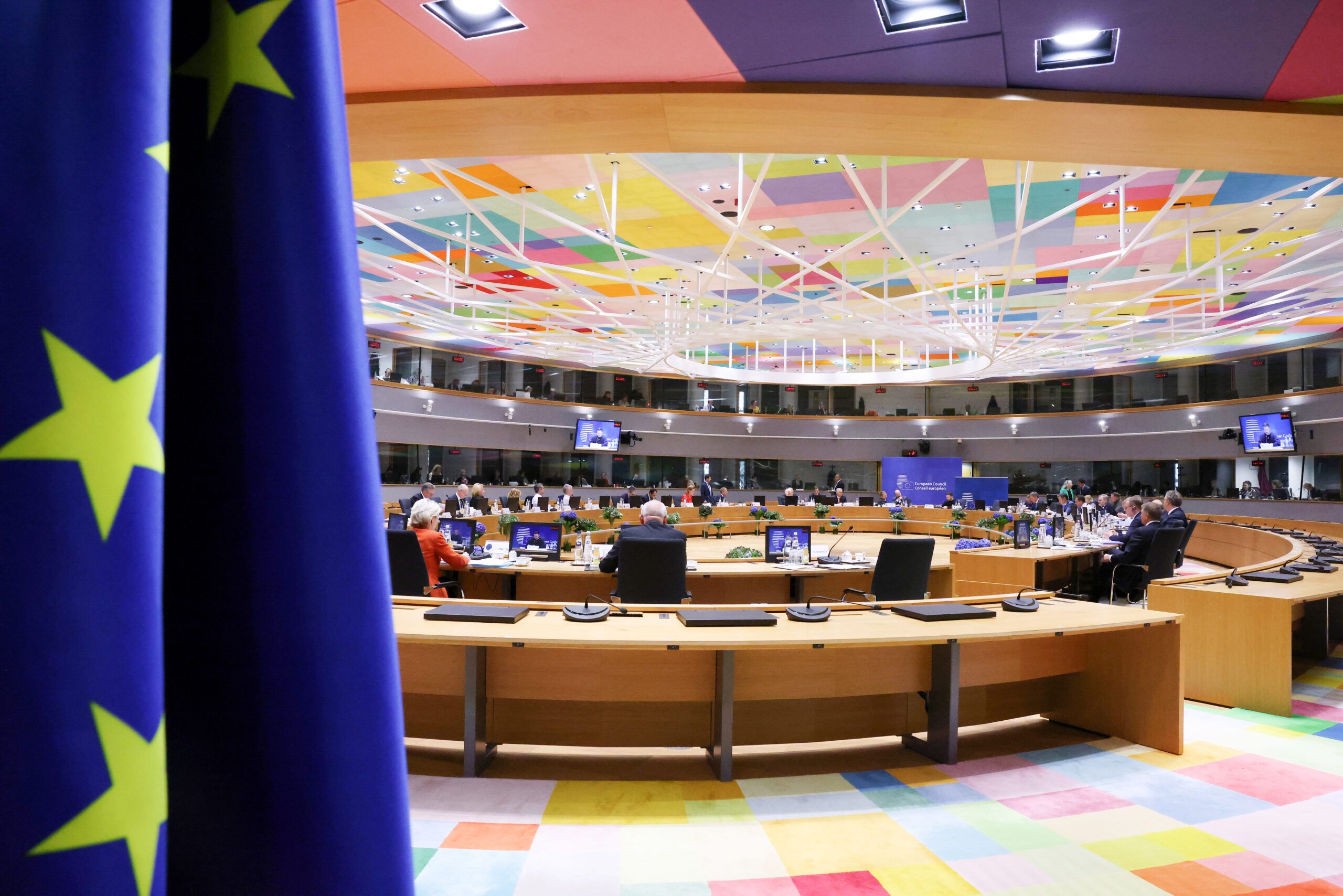
The proposed regulation aims to facilitate cross-border interactions and promote the development of cross-border regions by making it easier to tackle cross-border challenges, such as the development of infrastructure and the operation of cross-border public services. Its key feature is the creation of cross-border coordination points within member states to handle cross-border files submitted to them, either by communicating with initiators on behalf of the competent authority or by assessing the file themselves.

In its mandate, the Council supports the creation of a new legal framework for addressing cross-border obstacles to complement existing possibilities. However, it limits the scope of the framework to regions with land borders and makes it completely voluntary for member states to decide whether to set up cross-border coordination points.

Member states who set up such coordination points would also retain full freedom to decide whether and how to solve cross-border obstacles. Furthermore, the obligations for member states not willing to set up cross-border coordination points would be limited.

In addition, under the Council’s mandate only public or private law entities would be able to initiate cross-border files, while natural persons would not be able to do so.

Next steps

The agreement on the Council’s negotiating mandate allows the presidency to begin talks with the European Parliament on the final text, once the Parliament is ready.

Background

In May 2018, the Commission proposed a regulation on a mechanism to resolve legal and administrative obstacles in a cross-border context. However, member states suspended the discussions on the file due to concerns over compliance with the principles of subsidiarity and proportionality.

On 12 December 2023, the Commission presented an amended proposal to take into account the concerns and recommendations made by the two co-legislators and to follow up on the Parliament’s own-initiative legislative resolution from September 2023.

The European Parliament adopted its negotiating mandate on the initial Commission proposal on 14 February 2019.

Further information: European Council

Publicaciones relacionadas:

First evaluation of the Frontex Regulation delivers overall positive assessment despite challenges Council gives green light to single work and residence permit for third-country nationals Schengen, migration, asylum and security in times of COVID-19 MEPs approve €585 million to support refugees from Syria Commission launches debate on responding to the impact of an ageing population




EU News,  Institutional Affairs,  Migration and Demography cross-border,  European Council,  regulation

“This is a space for debate. All comments, for or against publication, that are respectful and do not contain expressions that are discriminatory, defamatory or contrary to current legislation will be published”.

Reader Interactions

Leave a Reply Cancel reply

Your email address will not be published. Required fields are marked *

This site uses Akismet to reduce spam. Learn how your comment data is processed.

Primary Sidebar

Footer

  • CDE Almería
  • Biblioteca Nicolás Salmerón – Universidad de Almería
  • Planta: 1ª, Despacho: 1.05.0B.
  • Ctra. Sacramento s/n. Almería (Spain)
  • Teléfono: (+34) 950 015266

HOME
NEWS
DOCUMENTATION
EUROPE ON THE NET
ABOUT US

  • LEGAL NOTICE
  • PRIVACY POLICY
  • COOKIE POLICY
  • ACCESSIBILITY
  • SITEMAP

Copyright © 2026 CDE Almería · Creative Commons LicenseThis work is licensed under a Creative Commons Attribution-NonCommercial 4.0 International License.

<p>El Centro de Documentación Europea de la Universidad de Almería utiliza cookies propias y de terceros para facilitar al usuario la navegación en su página Web y el acceso a los distintos contenidos alojados en la misma. Asimismo, se utilizan cookies analíticas de terceros para medir la interacción de los usuarios con el sitio Web. Pinche el siguiente enlace si desea información sobre el uso de cookies y como deshabilitarlas. </p>

Politica de privacidad

El Centro de Documentación Europea de la Universidad de Almería utiliza cookies propias y de terceros para facilitar al usuario la navegación en su página Web y el acceso a los distintos contenidos alojados en la misma. Asimismo, se utilizan cookies analíticas de terceros para medir la interacción de los usuarios con el sitio Web. Pinche el siguiente enlace si desea información sobre el uso de cookies y como deshabilitarlas. <a href="/politica-de-cookies" rel="noopener" target="_blank">Más información</a>

Cookies estrictamente necesarias

Las cookies estrictamente necesarias tiene que activarse siempre para que podamos guardar tus preferencias de ajustes de cookies.

Básicamente la web no funcionara bien si no las activas.

Estas cookies son:

  • Comprobación de inicio de sesión.
  • Cookies de seguridad.
  • Aceptación/rechazo previo de cookies.
Cookies de terceros

Esta web utiliza Google Analytics, Google Tag Manager y Yandex Metrika para recopilar información anónima tal como el número de visitantes del sitio, o las páginas más populares.

Dejar estas cookies activas nos permite mejorar nuestra web.

Política de cookies

Pinche el siguiente enlace si desea información sobre el uso de cookies y como deshabilitarlas. Más información