
The European Commission has adopted a new Growth Plan for the Western Balkans, with the aim of bringing some of the benefits of membership to the region in advance of accession, boost economic growth and accelerate much needed socio-economic convergence.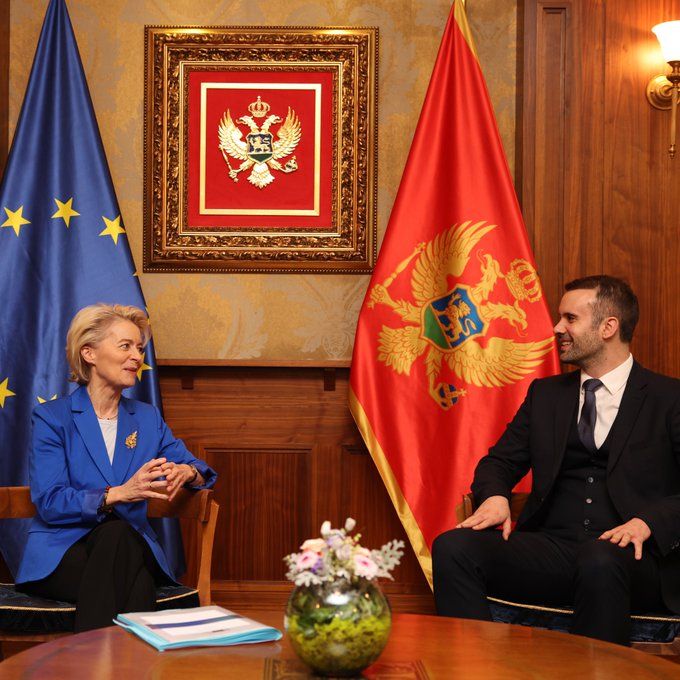
The objective should be to enable partners to step up reforms and investments to significantly accelerate the speed of the enlargement process and the growth of their economies. For this, a new €6 billion Reform and Growth Facility for the Western Balkans has been proposed for the period 2024-2027. Payments will happen only after the fulfilment of agreed reforms.
The new Growth Plan for the Western Balkans is based on four pillars, aimed at:
- Enhancing economic integration with the European Union’s single market, subject to the Western Balkans aligning with single market rules and opening the relevant sectors and areas to all their neighbours at the same time, in line with the Common Regional Market. Seven priority actions are suggested:
- Free movement of goods;
- Free movement of services and workers;
- Access to the Single Euro Payments Area (SEPA);
- Facilitation of Road transport;
- Integration and de-carbonisation of Energy markets;
- Digital Single Market;
- Integration into industrial supply chains
- Boosting economic integration within the Western Balkans through the Common Regional Market, based on EU rules and standards, which could potentially add 10% to their economies;
- Accelerating fundamental reforms, including on the fundamentals cluster, supporting the Western Balkans’ path towards EU membership, improving sustainable economic growth including through attracting foreign investments and strengthening regional stability;
- Increasing financial assistance to support the reforms through a Reform and Growth Facility for the Western Balkans for the period 2024-2027, a proposal for a new instrument worth €6 billion, consisting of €2 billion in grants and €4 billion in concessional loans, with payment conditioned on the Western Balkans’ partners fulfilling specific socio-economic and fundamental reforms.
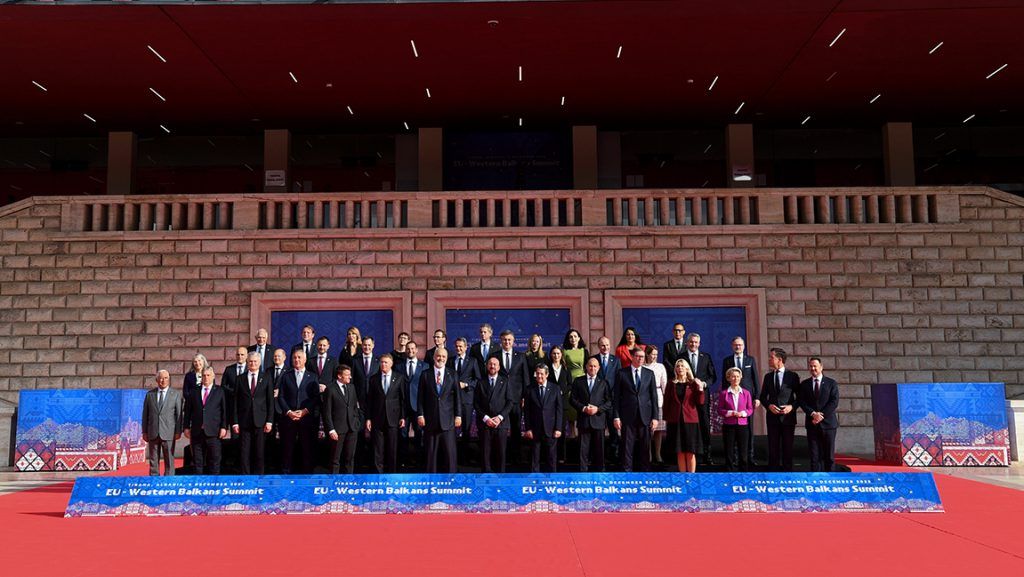
EU leaders and Western Balkans partners reconfirm strategic partnership
|
As part of the Growth Plan, every Western Balkan partner will be invited to prepare a Reform Agenda based on existing recommendations including from the annual Enlargement Package and the countries’ Economic Reform Programmes (ERP). This Reform Agenda will be consulted with, assessed and adopted by the Commission.
European Commission President Ursula von der Leyen said: “With today’s adoption of the new €6 billion Growth Plan for the Western Balkans, we are bringing the Western Balkans economies closer to the EU. The potential of this Growth Plan is extraordinary. This Growth Plan could double the economy of the Western Balkans in the next 10 years. With its combination of reforms and investments, it will allow the Western Balkan to benefit soon from key areas of our single market, including free movement of goods, services and workers, the single euro payments area, transport, energy and the digital single market.”
Next steps
It is now for the European Parliament and the Council to examine the proposal for the Facility in the framework of the MFF mid-term review package. Once adopted, the six Western Balkans partners will be invited to submit their individual reform agendas laying out the socio-economic and fundamental reforms they will undertake to spur growth and convergence under the Growth Plan during the period of 2024 – 2027. Serbia and Kosovo need engage to constructively in the EU-facilitated Dialogue on normalisation of relations, led by the High Representative, as necessary pre-condition.
SOURCE: PRESS RELEASE – EUROPEAN COMMISSION
Publicaciones relacionadas:
 European Commission sends letter of formal notice to the United Kingdom for breach of its obligations
 Economic and Investment Plan to support the economic recovery and convergence of the Western Balkans
 Digital Green Certificate
 Commission calls for limiting essential travel from India
 REACT-EU: Spain receives 382.7 million to fight COVID-19 and facilitate the green and digital transition
Leave a Reply