• Skip to primary navigation
  • Skip to main content
  • Skip to primary sidebar
  • Skip to footer
  • Bluesky
  • Facebook
  • Instagram
  • Twitter
  • YouTube
CDE Almería – Centro de Documentación Europea – Universidad de Almería

CDE Almería - Centro de Documentación Europea - Universidad de Almería

Centro de Documentación Europea de la Universidad de Almería

  • HOME
  • WHAT´S ON
    • EU NEWS
    • Activities
    • EU Calls and Awards
    • Radio Program «Europe with You»
  • DOCUMENTATION
    • EU Media Collection
      • Web Space
      • MEDIATHEQUE REPOSITORY
  • Europe on the net
    • Institutions
    • EU Representation in Spain
    • European information network of Andalusia
  • ABOUT US
    • Presentation
    • Services
    • People
    • Contact
  • Spanish
  • English

Commission marks five years of Europe’s Beating Cancer Plan

Inicio » Noticias UE » Sanidad » Technological and Professional Health » Commission marks five years of Europe’s Beating Cancer Plan

5 de February de 2026

Ahead of World Cancer Day on 4 February, the European Commission has unveiled an update of the European Code Against Cancer. The revised Code sets out practical ways to help prevent the disease and is the result of four years of work by over 60 European public health experts. The guidance is based on scientific evidence and is tailored to the EU population and health systems.
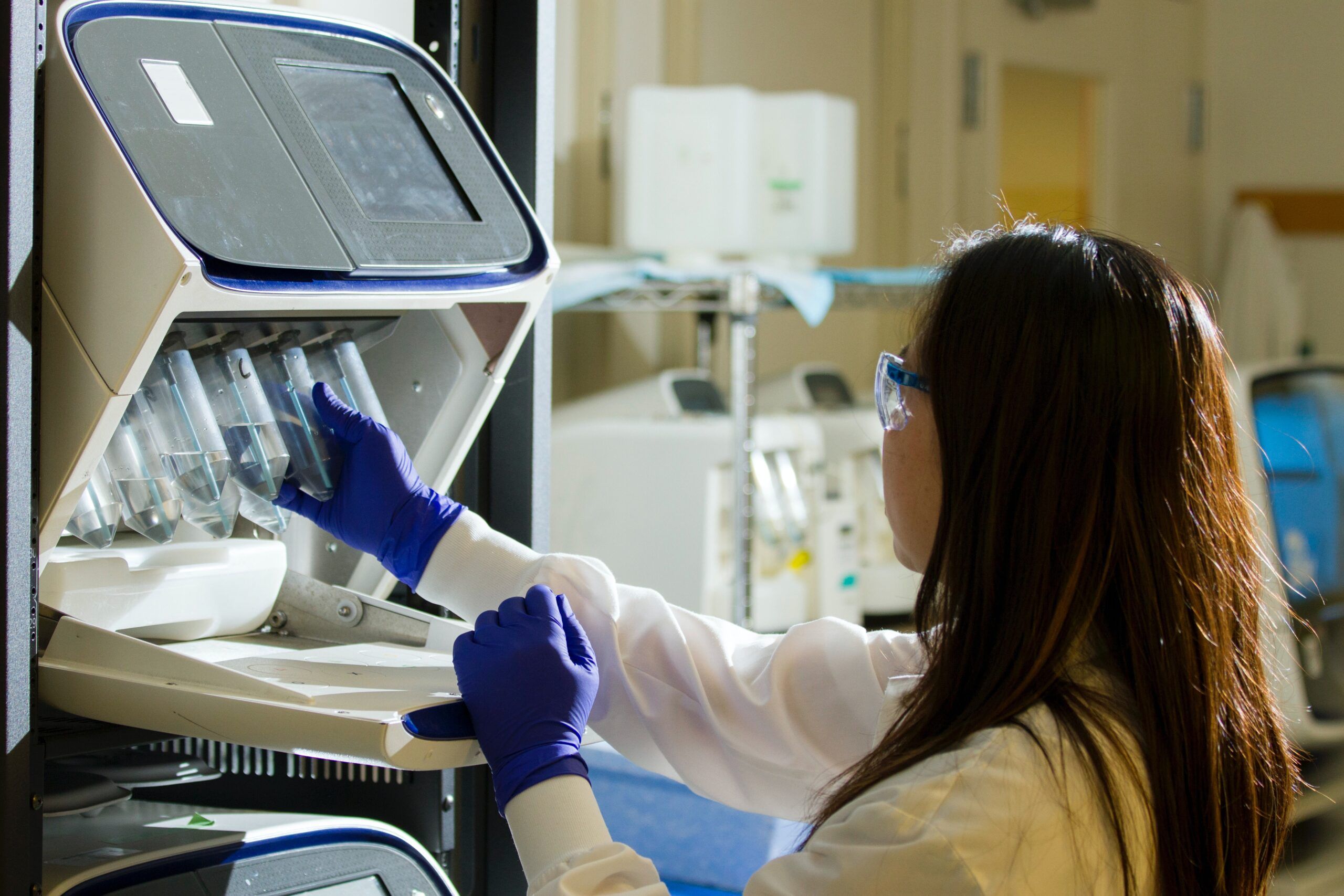
The revised Code puts strong focus on lifestyle choices and public health measures to reduce cancer risks, covering issues such as vaccination, cancer screening, breast-feeding, alcohol intake, so-called ultra-processed food and air pollution, among others. The updated Code was produced by the International Agency for Research on Cancer on behalf of the Commission.

Cancer is a significant public health challenge in the EU, with an estimated 2.7 million new cancer cases and 1.3 million cancer-related deaths occurring in 2024. Beyond the emotional toll cancer puts on the everyday lives of millions of people and their loved ones, cancer also has considerable economic consequences, estimated at €100 billion a year in Europe. Furthermore, the risks for cancer are often the same for other non-communicable diseases, such as cardiovascular diseases. The Code and the Safe Hearts Plan are therefore mutually supportive to reach their goals and support the health of European citizens. For example, an estimated 80% of premature heart attacks and strokes, and 40% of cancer cases could be prevented by addressing risk factors identified in the Code.

World Cancer Day 2026 also marks the 5th anniversary of Europe’s Beating Cancer Plan, which has had a significant positive impact across Europe. Under the Plan, more than €2.7 billion has been invested in actions to improve prevention, early detection, treatment and care across Europe, as well as to improve the quality of life for cancer patients. The Commission now works with almost 630 organisations under the Cancer Plan. Together with the EU Cancer Mission, the Plan also helps deepen our understanding of – and strengthen scientific research into – what drives cancer, be that biological processes, risk factors or health determinants.

To launch the updated Code, the Commission is hosting a webinar that will bring together cancer experts, stakeholders and decision-makers to discuss how best to tackle cancer across the EU, and how to apply the Code in practice.

More information: European Commission

Publicaciones relacionadas:

Estetoscopio sobre la bandera de la Unión EuropeaCommission approves up to €403 million in State aid for major EU healthcare project New AI model predicts our health years ahead of time Commission hosts the G7 meeting on global health security cáncer al microscopioCommission recommends new measures on vaccine-preventable cancers under Europe’s Beating Cancer Plan Commission restricts Chinese participation in medical devices procurement
EU News,  Health,  Technological and Professional Health Cancer,  Europe's Beating Cancer Plan,  European Commission,  European Union,  experts,  News,  public health,  Research,  World Cancer Day

“This is a space for debate. All comments, for or against publication, that are respectful and do not contain expressions that are discriminatory, defamatory or contrary to current legislation will be published”.

Reader Interactions

Leave a Reply Cancel reply

Your email address will not be published. Required fields are marked *

This site uses Akismet to reduce spam. Learn how your comment data is processed.

Primary Sidebar

Footer

  • CDE Almería
  • Biblioteca Nicolás Salmerón – Universidad de Almería
  • Planta: 1ª, Despacho: 1.05.0B.
  • Ctra. Sacramento s/n. Almería (Spain)
  • Teléfono: (+34) 950 015266

HOME
NEWS
DOCUMENTATION
EUROPE ON THE NET
ABOUT US

  • LEGAL NOTICE
  • PRIVACY POLICY
  • COOKIE POLICY
  • ACCESSIBILITY
  • SITEMAP

Copyright © 2026 CDE Almería · Creative Commons LicenseThis work is licensed under a Creative Commons Attribution-NonCommercial 4.0 International License.

<p>El Centro de Documentación Europea de la Universidad de Almería utiliza cookies propias y de terceros para facilitar al usuario la navegación en su página Web y el acceso a los distintos contenidos alojados en la misma. Asimismo, se utilizan cookies analíticas de terceros para medir la interacción de los usuarios con el sitio Web. Pinche el siguiente enlace si desea información sobre el uso de cookies y como deshabilitarlas. </p>

Politica de privacidad

El Centro de Documentación Europea de la Universidad de Almería utiliza cookies propias y de terceros para facilitar al usuario la navegación en su página Web y el acceso a los distintos contenidos alojados en la misma. Asimismo, se utilizan cookies analíticas de terceros para medir la interacción de los usuarios con el sitio Web. Pinche el siguiente enlace si desea información sobre el uso de cookies y como deshabilitarlas. <a href="/politica-de-cookies" rel="noopener" target="_blank">Más información</a>

Cookies estrictamente necesarias

Las cookies estrictamente necesarias tiene que activarse siempre para que podamos guardar tus preferencias de ajustes de cookies.

Básicamente la web no funcionara bien si no las activas.

Estas cookies son:

  • Comprobación de inicio de sesión.
  • Cookies de seguridad.
  • Aceptación/rechazo previo de cookies.
Cookies de terceros

Esta web utiliza Google Analytics, Google Tag Manager y Yandex Metrika para recopilar información anónima tal como el número de visitantes del sitio, o las páginas más populares.

Dejar estas cookies activas nos permite mejorar nuestra web.

Política de cookies

Pinche el siguiente enlace si desea información sobre el uso de cookies y como deshabilitarlas. Más información