
Last December 1, the Commission has granted 235 cross-border energy projects the status of Projects of Common Interest (PCIs) and Projects of Mutual Interest (PMIs) – the second such list since its launch in 2023. The selected projects will be eligible to apply for EU financing from the Connecting Europe Facility and will benefit from expedited permitting and regulatory processes for swift execution and delivery.
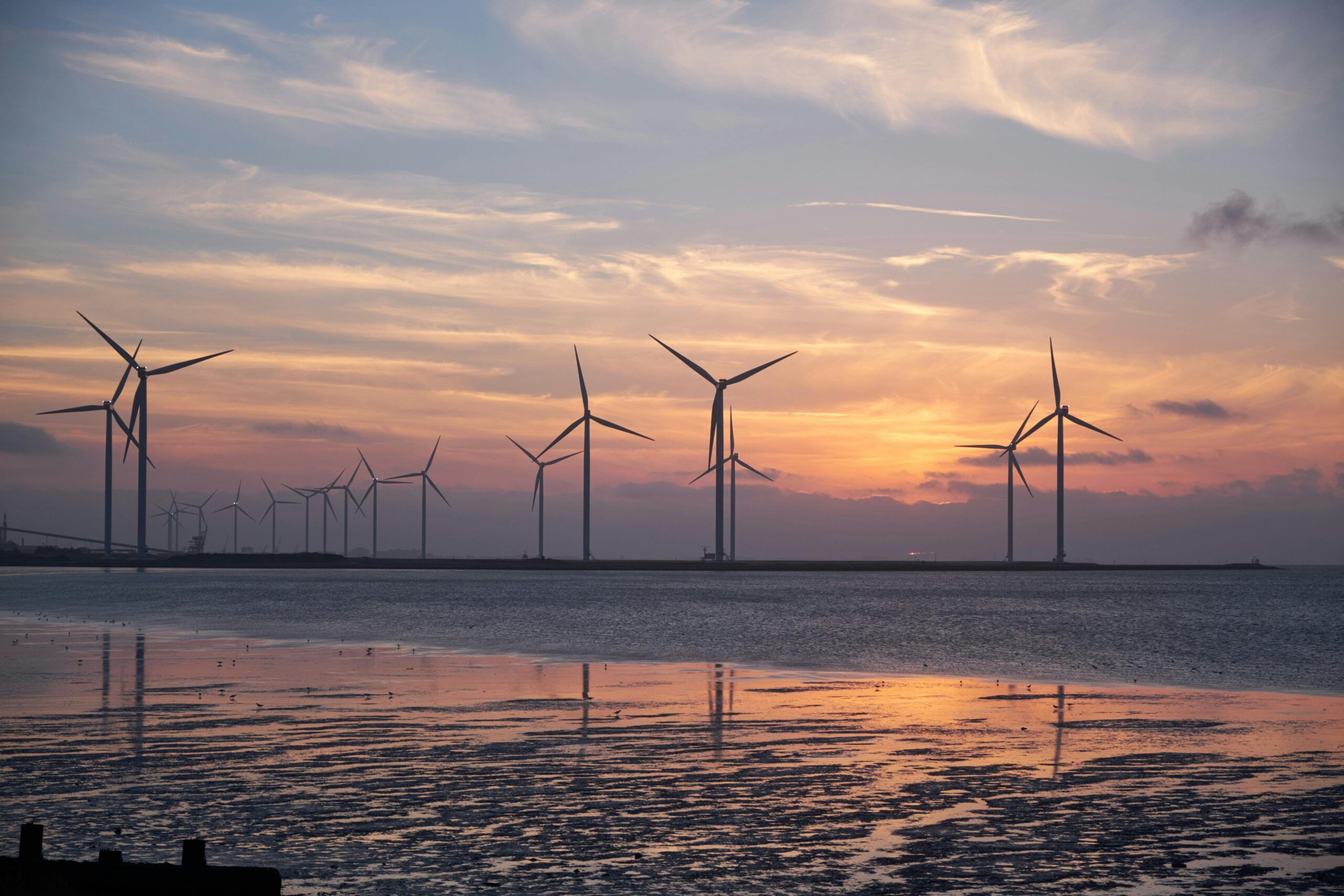
These cross-projects will strengthen energy connectivity across the continent, bringing nearer the completion of the Energy Union. By allowing vital interconnections across the EU and with neighbouring countries, these projects can play a strategic role in increasing EU’s competitiveness, decarbonisation, and enhancing Europe’s energy security and independence.
According to a recent Commission study, investment needs in European energy infrastructure – electricity, hydrogen, and CO2 networks – will near €1.5 trillion from 2024 to 2040. This project lineup and the related expected investments volumes will contribute to reaching the needs identified for 2040.
The list of selected PCIs and PMIs includes:
- 113 electricity, offshore and smart electricity grid projects that will be essential for integrating the growing share of renewables.
- 100 hydrogen and electrolyser projects which will play a major role in integrating and decarbonising the EU’s energy system.
- 17 carbon transport infrastructure projects that will advance the development of the market for carbon capture and storage.
- 3 smart gas grids projects to digitalise and modernise the natural gas network.
- the continued inclusion of 2 long-standing projects linking Malta and Cyprus to the mainland European gas network.
The Commission will support the implementation of these projects through stepped-up political coordination with the Member States concerned, drawing on the Energy Union Task Force and the regional High-Level Groups designed to support energy infrastructure development in key regions, including with partner countries.
As highlighted in the Commission’s Affordable Energy Action Plan, an efficient energy network is crucial for enabling the clean energy transition and ensuring energy is accessible and affordable for both industries and households across Europe.
Ensuring a well-integrated and optimised European energy grid is equally crucial to accelerating a cost-efficient and clean energy transition. The Commission will soon present the European Grids Package to further accelerate the development of the necessary energy infrastructure in Europe. It will also elaborate on the Energy Highways initiative, launched by President von der Leyen in her latest State of the European Union address, which will urgently tackle cross-border energy infrastructure bottlenecks, and increase the overall resilience of the EU’s energy system.
Next steps
Following today’s adoption, the PCI and PMI list will be submitted to the European Parliament and the Council in the form of a Delegated Act for scrutiny, as mandated under the TEN-E Regulation. Both co-legislators have two months to either accept or reject the list in full but may not amend it. This process can be extended by two months, if requested by the co-legislators. Once the list is adopted, the Commission will further reinforce its work with project promoters and Member States to help ensure that the selected projects are implemented as smoothly and as rapidly as possible.
This week the European Commission is hosting the PCI Energy Days, which are dedicated to the practical implementation of PCIs and PMIs. Commissioner for Energy and Housing Dan Jørgensen will participate in the event.
Background
PCIs are designed to complete the EU energy market and contribute to climate-neutrality objectives, ensuring that all Europeans have access to affordable, reliable, and renewable energy. PMIs encompass cross-border infrastructure between EU and non-EU countries, contributing to the EU’s energy and climate goals, including its recently adopted Global Vision.
The list adopted today is the 2nd Union list of PCIs and PMIs established under the revised Trans-European Networks for Energy Regulation (TEN-E) from 2022, shifting focus away from fossil fuels toward low-carbon, resilient and efficient cross-border infrastructures. The Regulation sets the criteria to support cross-border energy infrastructure projects that can help the Union achieve its climate and energy goal of climate-neutrality by 2050. Such lists are adopted every two years, following extensive stakeholder consultation in region-specific groups and public consultations.
The Connecting Europe Facility (CEF-Energy) instrument has provided €8 billion for flagship projects since 2014. A prime example of cross-border landmark projects include the Baltic synchronisation, through which the Baltic states have regained independence from Russia’s electricity grid, fully embedding the three countries in the EU energy system. As part of the 2028-2034 Multi-annual Financial Framework, the Commission proposed a five-fold increase of the CEF Energy budget from €5.84 billion to €29.91 billion.
More information: European Commission
Publicaciones relacionadas:
 The EU invests €650 million in cross-border energy infrastructure
 235 key cross-border energy projects to boost Europe’s interconnectivity
 Commission approves €5 billion German State aid scheme to help industries decarbonise production processes
 Commission approves €612 million in Portuguese aid for energy-intensive companies
 Nearly €1 billion awarded to boost renewable hydrogen development.
Leave a Reply