
Delivering Member States’ plans regarding nuclear energy will require significant investments, of around €241 billion until 2050, both for lifetime extensions of existing reactors and the construction of new large-scale reactors. Additional investments are needed for Small Modular Reactors (SMRs), Advanced Modular Reactors (AMRs) and microreactors and in fusion for the longer-term future, the Commission has assessed in its eighth nuclear illustrative programme (‘PINC’).
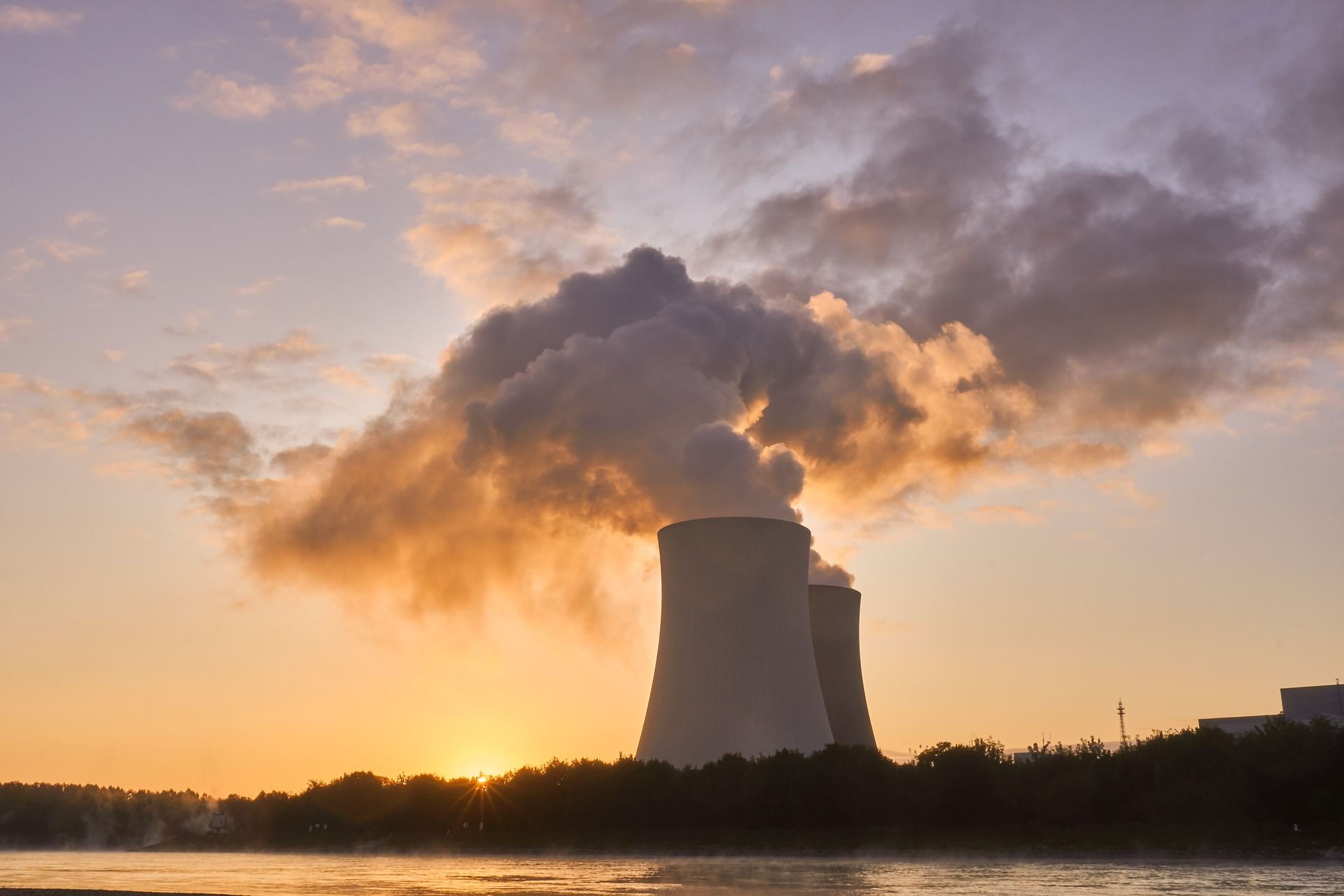
For some EU countries, nuclear energy is an important component of decarbonisation, industrial competitiveness, and security of supply strategies. The Commission estimates that over 90% of electricity in the EU in 2040 will be produced from decarbonised sources, primarily renewables, complemented by nuclear energy. Nuclear installed capacity across the EU is projected to grow from 98 GWe in 2025 to 109 around GWe by 2050. Crucially, all zero and low carbon energy solutions are needed to decarbonise the EU’s energy system.
It is therefore important to maintain the EU’s industrial leadership in this sector. This nuclear illustrative programme will help drive Member States’ actions towards priority areas.
Ensuring the highest standards of nuclear safety, security and safeguards, as well safe and responsible management of radioactive waste will remain a top priority for the EU. More efforts are needed on the development of infrastructure for the disposal of radioactive waste and spent nuclear fuel, alongside effective decommissioning and cost efficiency.
Cooperation between national regulatory authorities will help speed up licencing, while international collaboration with reliable partners will ensure stable and diversified fuel supply and avoid dependencies.
Upskilling the existing workforce, engaging new talents and supporting start-ups will spur innovation. The commercialisation and market uptake of cutting-edge nuclear technologies, including Small Modular Reactors (SMRs), Advanced Modular Reactors (AMRs), microreactors and fusion for the longer term, will also be central for the sector’s future in Europe and beyond.
Next steps
The Commission will publish the final version of the PINC after receiving the Opinion of the European Economic and Social Committee. It will also be discussed with the Member States at the Energy Council on 16 June 2025 in Luxembourg.
Background
A requirement under Article 40 of the Euratom Treaty, PINC (Programme Illustrative Nucleaire) provides a comprehensive, fact-based overview of nuclear development trends, as well as the scope of investment needs across the EU. The assessment is in line with the EU’s decarbonisation targets, the REPowerEU Plan and Clean Industrial Deal goals.
More information: European Commission
Publicaciones relacionadas:
 Commission approves €5 billion German State aid scheme to help industries decarbonise production processes
 Commission approves €612 million in Portuguese aid for energy-intensive companies
 Nearly €1 billion awarded to boost renewable hydrogen development.
EU sets new methodology to clarify rules for low-carbon hydrogen and fuels
Nearly €1 billion awarded to boost renewable hydrogen development.
EU sets new methodology to clarify rules for low-carbon hydrogen and fuels
 Commission issues guidance on sustainability deal to cut CO₂ emissions in EU ports
Leave a Reply