
On Wednesday, MEPs approved a new law to increase the uptake of sustainable fuels, such as advanced biofuels or hydrogen, in the aviation sector.
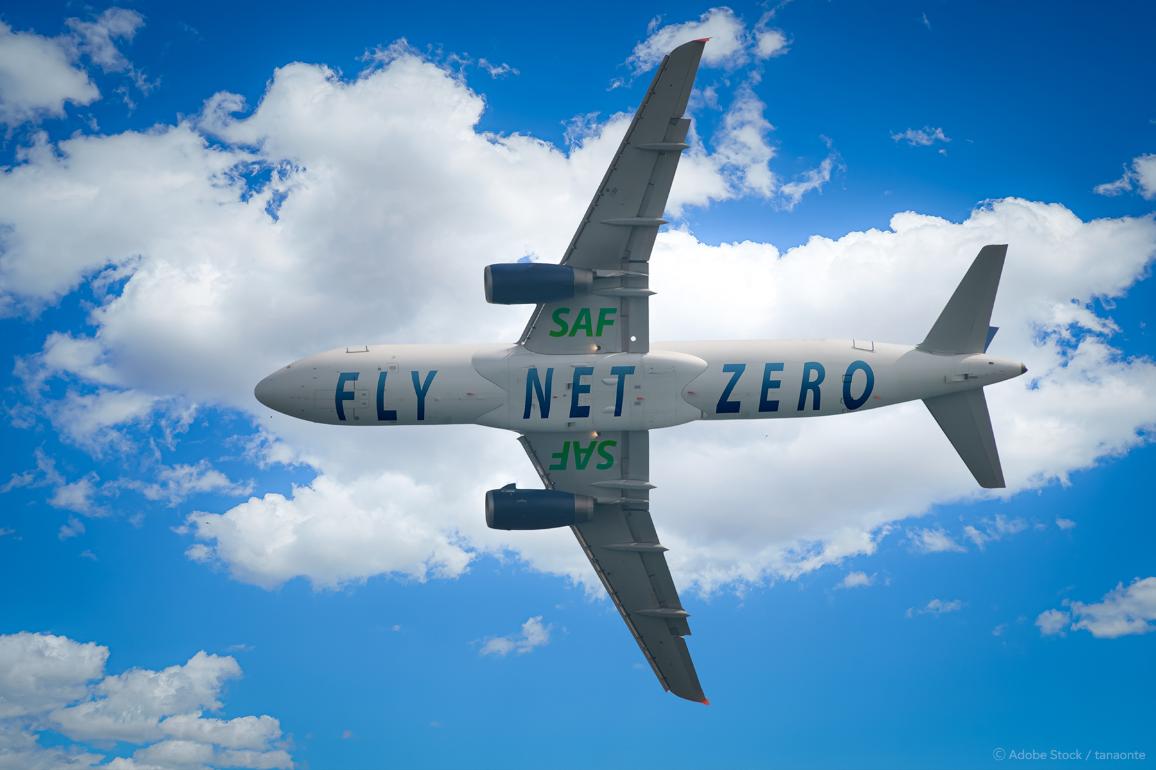
The RefuelEU aviation rules are part of the “Fit for 55 package”, the EU’s plan to reduce greenhouse gas emissions by at least 55% by 2030 compared to 1990 levels and to ensure the EU becomes climate neutral by 2050. They seek to encourage the aviation sector to use sustainable aviation fuels in order to cut emissions.
Ambitious timeline
MEPs secured an ambitious timeline on the provision of the jet fuel mix, obliging EU airports and fuel suppliers to ensure that, starting from 2025, at least 2% of aviation fuels will be green, with this share increasing every five years: 6% in 2030, 20% in 2035, 34% in 2040, 42% in 2045 and 70% in 2050. In addition, a specific proportion of the fuel mix (1.2% in 2030, 2% in 2032, 5% in 2035 and progressively reaching 35% in 2050) must comprise synthetic fuels like e-kerosene.
What is green?
According to the new rules, the term ‘sustainable aviation fuels’ will include synthetic fuels, certain biofuels produced from agricultural or forestry residues, algae, bio-waste, used cooking oil or certain animal fats. Recycled jet fuels produced from waste gases and waste plastic are also considered ‘green’.
MEPs ensured that feed and food crop-based fuels and fuels derived from palm and soy materials will not be classified as green as they do not meet the sustainability criteria. They also managed to include renewable hydrogen as part of a sustainable fuel mix, a promising technology that could progressively contribute to the decarbonisation of air transport.
GHG emissions of all world countries 2023
|
New flight label
To promote decarbonising in the aviation sector and to better inform the public, MEPs ensured that, as of 2025, there will be an EU label for the environmental performance of flights. Airlines will be able to market their flights with a label indicating the expected carbon footprint per passenger and the expected CO2 efficiency per kilometre. It will allow passengers to compare the environmental performance of flights operated by different companies on the same route.
Quotes
Parliament’s rapporteur José Ramón Bauzá Díaz (Renew, ES) said: “This is a tremendous step towards the decarbonisation of aviation. It is now time for EU governments to implement the new rules and support the industry to ensure the cost-effective deployment of Sustainable Aviation Fuels across Europe as well as meeting EU targets. There is no time to lose. In a complex and competitive world, I fully believe that ReFuelEU is a great opportunity to position the European Union as a global leader in the production and use of SAF.ʺ
Next steps
The new rules on sustainable aviation fuels were adopted by 518 votes in favour, 97 votes against and eight abstentions. Once Council has approved them, new rules will apply as of 1 January 2024 and some provisions as of 1 January 2025.
Publicaciones relacionadas:
 Circular economy: definition, importance and benefits
 Plastic waste and recycling in the EU: facts and figures
 Single European Sky: lowering emissions and reducing delays
 EU Climate Law: MEPs confirm deal on climate neutrality by 2050
 Taxonomy: MEPs object to Commission’s plan to include gas and nuclear activities
Leave a Reply