
-
From 2036, international carbon credits can be used to reduce emissions by up to five points
-
The introduction of the ETS2 emissions trading scheme is postponed until 2028
-
Follow-up report every two years, with the possibility of updating the climate target for 2040
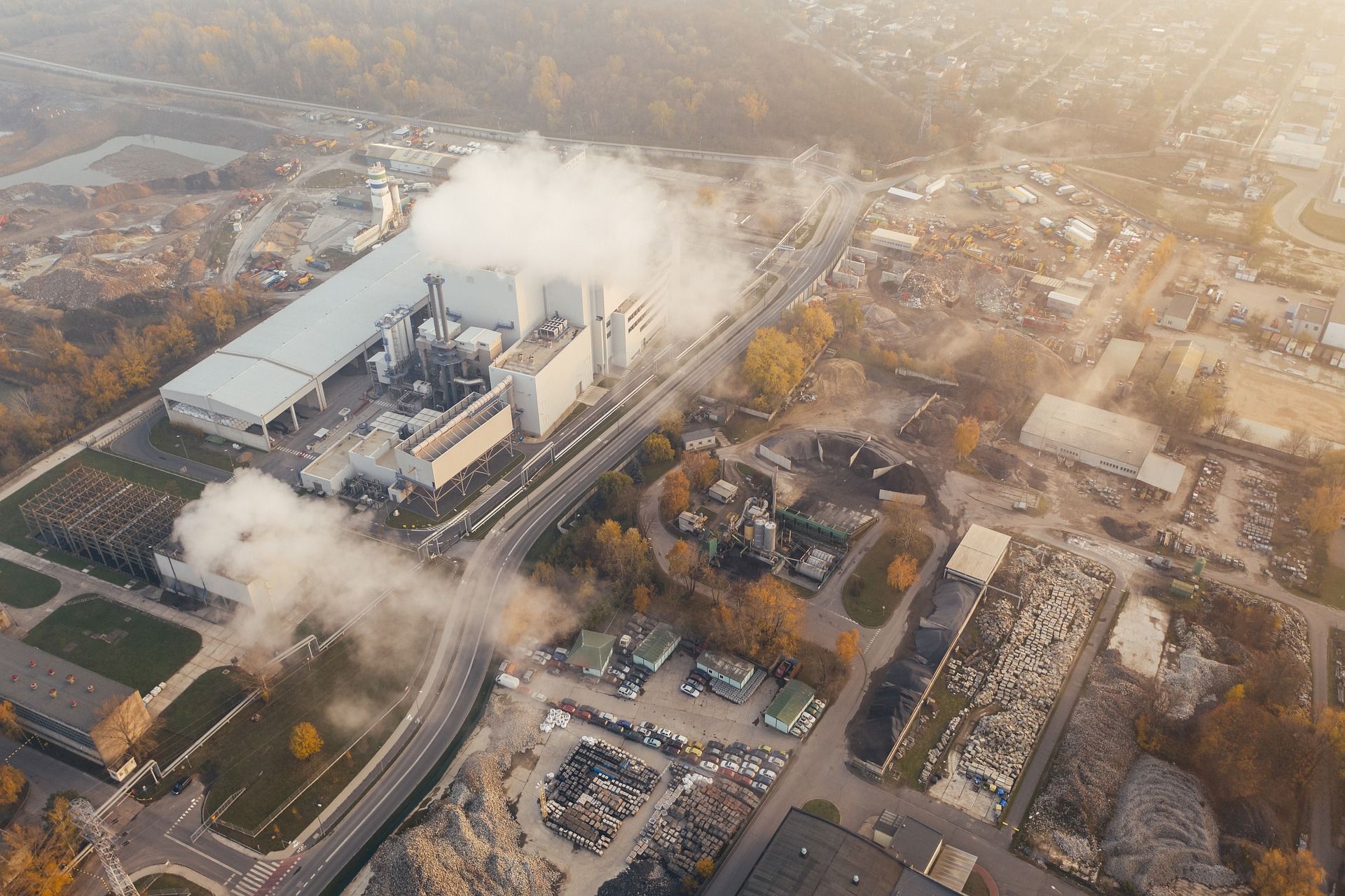
Parliament has approved a 90% reduction in greenhouse gas emissions by 2040 compared to 1990, to achieve climate neutrality in the EU by 2050.
On Tuesday, MEPs ratified, with 413 votes in favour, 226 against and 12 abstentions, the agreement with the Council amending the European Climate Law, setting a new binding interim emissions limit for 2040. The target is to reduce greenhouse gases by 90% compared to 1990 levels.
Flexibility for Member States
The new regulation will give Member States flexibility to meet the 2040 targets. From 2036, EU countries will be able to use high-quality international carbon credits from countries outside the EU to achieve up to five percentage points of the emissions reduction (two points more than in the European Commission’s proposal). MEPs have included safeguards to prevent the financing of projects contrary to the EU’s strategic interests:
The text also includes the possibility of using carbon sequestration at national level to offset emissions that are difficult to reduce under the ETS, as well as greater flexibility within and between sectors and instruments to achieve the targets in the most cost-effective way possible, as the green transition and improving the EU’s competitiveness must go hand in hand.
In addition, the introduction of the EU ETS2 is postponed by one year, from 2027 to 2028. The ETS2 will cover CO₂ emissions from the combustion of fuels in buildings and road transport.
Review of the 2040 targets
The Commission will assess progress towards the target every two years, taking into account the latest scientific data, technological developments and the state of EU industrial competitiveness. It will also analyse energy price trends and their impact on both businesses and households, and assess the state of net removals across the EU compared to what is needed to achieve the 2040 target.
Following this review, the Commission may propose an amendment to EU climate legislation, which could involve revising the 2040 target or adopting additional measures to strengthen the support framework, in order to protect the EU’s competitiveness, prosperity and social cohesion.
Next steps
Once the Council has given its approval, the text will enter into force 20 days after its publication in the Official Journal of the EU.
Background
The European Climate Law introduces climate neutrality by 2050 as a legally binding obligation for all Member States. The legislation also requires a reduction of at least 55% in greenhouse gas emissions by 2030, compared to 1990 levels.
More information: European Parliament.
Publicaciones relacionadas:
 MEPs approve aid to Spain for post-dana reconstruction
 Parliament backs 90% reduction in EU emissions by 2040
 The Road to Green 23: How the EU is tackling the challenge of ‘forever chemicals’
 EU Green Week 2026: Investing in a nature-positive economy
 A new layer: the EU Ecolabel moves up a level for paints and varnishes
Leave a Reply