
A mid-term review of the EU’s Zero Pollution Action Plan concluded that faster implementation is needed.
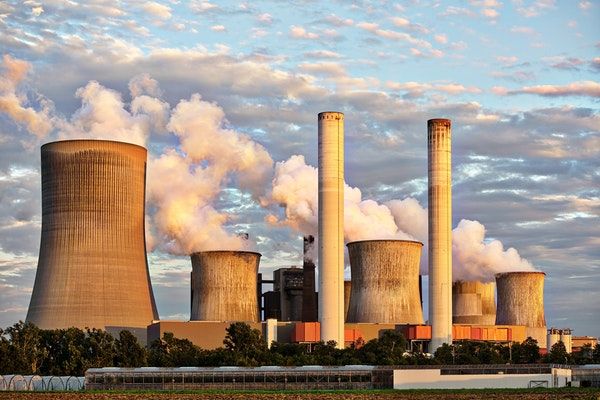
Areview of the EU’s Zero Pollution Action Planconcludes that Member States must act swiftly and decisively if the EU is to achieve its pollution reduction targets for 2030.
The report highlights the close link between environmental protection and public health, showing that reducing air, water, soil and noise pollution offers immediate health benefits, such as a reduction in asthma, heart disease and mental illness. Preventing pollution is therefore not only an environmental priority, but also a crucial public health policy.
The report also highlights the economic and social benefits of pollution reduction measures. Businesses, cities and regions are taking the lead to reap benefits such as increased productivity and improved agricultural yields.
Businesses and regions that invest in green technologies can dominate high-growth emerging markets. Hundreds of European cities have committed to reducing their environmental footprint, and 80% of businesses already integrate sustainability into their innovation strategies.
The Zero Pollution Action Plan guides EU policies and actions on pollution reduction, setting targets to reduce the effects of pollution on human health. Much of the legislation envisaged in the action plan is already in force.
The EU has strengthened all its key pollution laws since 2021 and has developed a strategy on water resilience, an Ocean Pact, a Vision for Agriculture and Food, and an Action Plan for the Chemical Industry.
However, the report stresses that legislation alone is not enough. Effective implementation and enforcement are essential to achieve the 2030 targets. EU countries must continue to invest in innovation, digitalisation and capacity building. Other policy areas, such as energy, transport and agriculture, must address environmental concerns more effectively.
Progress towards zero pollution targets is encouraging in terms of air pollution, pesticide use, antimicrobial sales and marine plastic pollution, which have been significantly reduced. However, water pollution, waste and microplastic pollution remain stable or are worsening.
Pollution from PFAS or “forever chemicals” is an area of growing public concern, and the report outlines some measures being taken, highlighting theCommission’s study on the social costs of PFAS.
The report also raises concerns about noise pollution. It concludes that the EU is not on track to meet its target of reducing the number of people affected by transport noise by 30% by 2030.
The Commission continues to strengthen rules to combat sources of noise pollution, such as reducing noise emissions from vehicles, trains or aircraft, and seeks to improve the implementation of the Environmental Noise Directive. The Commission will also assess possible improvements to the Directive.
The report was presented at theeighth meeting of the Zero Pollution Stakeholder Platform, co-organisedwith the Committee of the Regions.
Background
The EU’s Zero Pollution Action Planfor 2050aims to reduce air, water and soil pollution to levels that are no longer considered harmful to health and natural ecosystems, respecting the limits that our planet can withstand, thus creating a toxin-free environment.
A mid-term review of the plan was planned to identify whether further action is needed to address emerging concerns and to review the objectives, flagship projects and actions.
The EU aims to strengthen its ecological, digital and economic leadership, while creating a healthier and more socially just Europe and planet.The Action Planprovides guidance on integrating pollution prevention into all relevant EU policies, stepping up the implementation of relevant EU legislation and identifying potential gaps.
The secondZero Pollution Monitoring and Outlook Report,published in March 2025, provided a scientific overview of the current state of pollution in the EU, pollution trends in recent years and future scenarios for the evolution of these trends if agreed policies are successfully implemented. It provided the evidence, based on the latest data and information, for the preparation of the mid-term review. It concluded that pollution continues to pose a significant threat to ecosystems, the economy and public health.
Notable progress has been made in a number of areas, such as air quality and the reduction of pesticide and antimicrobial use. However, agriculture, transport and waste remain significant sources of pollution.
More information: European Commission.
Publicaciones relacionadas:
 Protecting Europe’s Wildlife and Habitats with Natura 2000
 Global ocean conservation treaty enters into force
 EU is progressing towards its 2030 climate and energy goals while tackling high energy prices, State of the Energy Union Report 2025 shows
 EU supports the clean transition with over €358 million of investment in 132 new projects across Europe
 Zero Pollution: New EU rules enter into force for cleaner air by 2030
Leave a Reply